Seafood and fish freezing
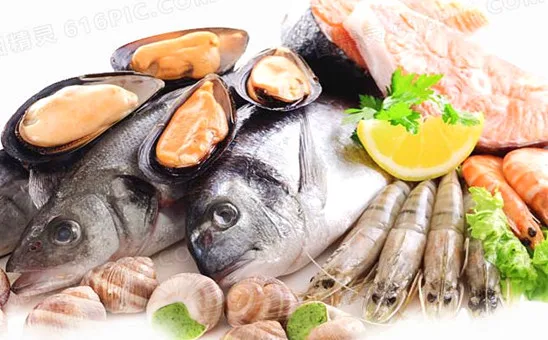
The freezing problem
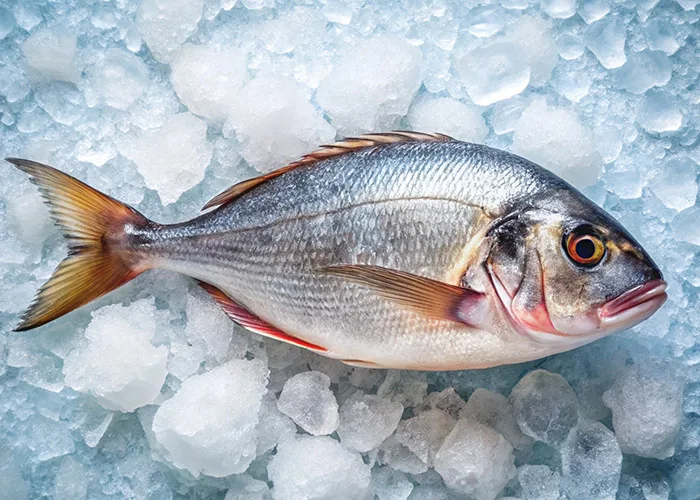
Seafood is high in water and unforgiving: freeze it slowly and large ice crystals tear the flesh, so the fillet weeps and turns soft on thawing. Freeze shrimp or scallops carelessly and they weld into a block no buyer can use.
The form decides the machine. Flat, fragile pieces — fillets, scallops, shrimp — need fast freezing on a surface that does not mark them. Loose small pieces need to freeze individually. Blocks and boxed product freeze best by direct contact. And export seafood then needs an ice glaze to survive cold storage.
What fits, and why
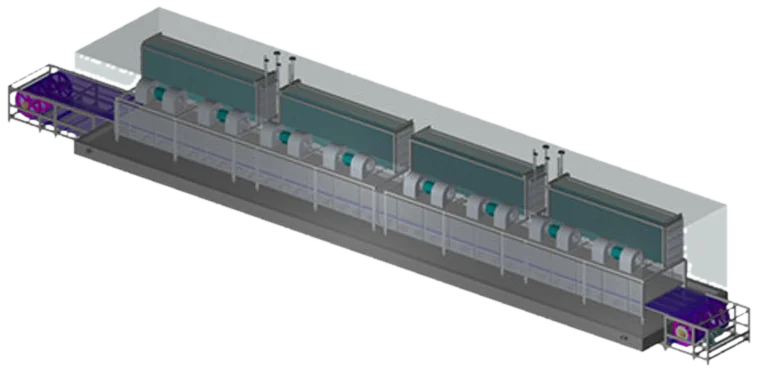
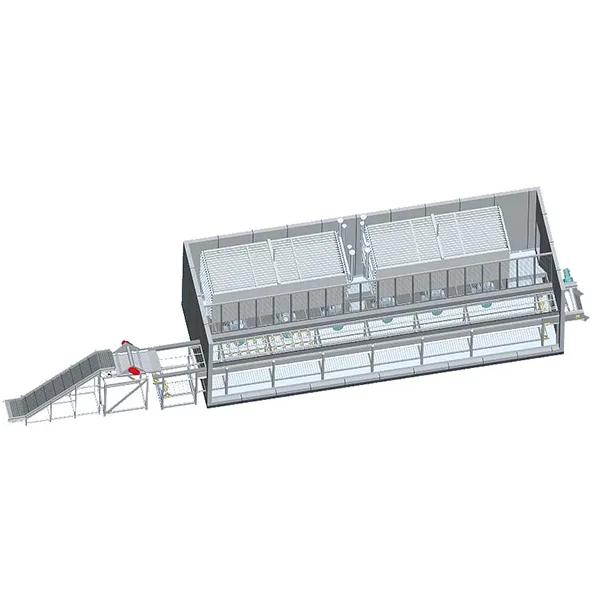
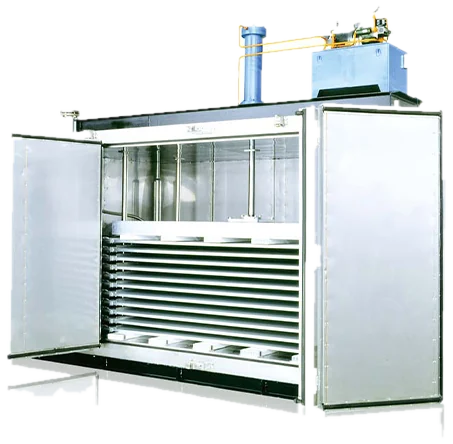
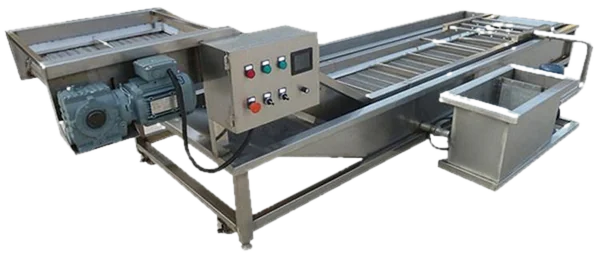
Impingement plate belt for flat and fragile pieces; fluidized bed for loose shrimp and scallops; plate freezers for blocks and boxed product; a glazing machine after freezing for storage protection.
Equipment for this food
Questions
Freeze them individually: a fluidized bed suspends shrimp in cold air so each piece freezes separately, or an impingement tunnel freezes them on a belt in a single layer. Glazing afterwards protects them in storage.
A plate freezer — hydraulic or shelf — freezes blocks by direct contact, faster and with less dehydration than air-blast.
The species and product form, piece or block size, target output, and layout constraints. A quotation typically follows within one to two working days.
Tell us what you are freezing.
Send the product, target capacity, piece size and your layout constraints. A quotation typically follows within one to two working days.