Glazing Machine
After IQF freezing and before packing, frozen seafood gets its protective coat here: an even layer of ice glaze over shrimp, fish fillets and scallops that guards the surface through months of cold storage.
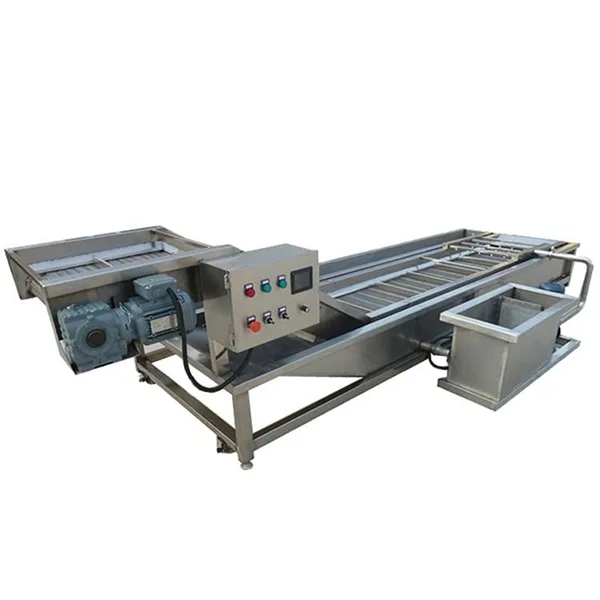
- Position in line
- After freezing, before packing
- Products
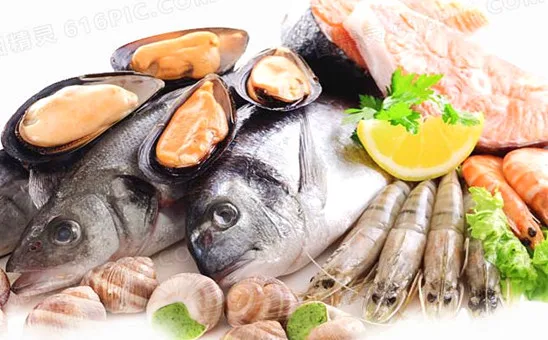
- Shrimp, fillets, scallops
- Coating
- Even ice glaze
- Operation
- Continuous, in-line
How it is built
Protection you can see on the shelf
The ice glaze seals the product surface, protecting against dehydration and freezer burn during cold storage and keeping the appearance buyers judge at a glance.
Even, piece by piece
Each piece receives a consistent coat rather than a pooled or patchy one, so glaze pickup is uniform across the batch and the product goes to packing in grade.
Built to sit in the line
The glazing machine works continuously between the freezer and packing, and pairs with a refreezing step so the glaze sets hard before cartons are sealed.
Specifications
| Position in line | After IQF freezing, before packing |
|---|---|
| Products | Frozen shrimp, fish fillets, scallops and other seafood |
| Function | Even ice glazing for cold-storage protection |
| Best for | Seafood processors exporting or storing frozen product |
Sizes and duties beyond the figures above are set against your product and output at quotation.
Used for
Questions
The ice coat protects the surface against dehydration and freezer burn in cold storage and preserves appearance. It is a standard step for export-grade frozen shrimp and fillets.
Directly after the freezer — spiral or fluidized bed — followed by a short refreezing step, then packing.
The product, your freezer's hourly output (the glazing machine is matched to it), and layout constraints. A quotation typically follows within one to two working days.
Related equipment
Tell us what you are freezing.
Send the product, target capacity, piece size and your layout constraints. A quotation typically follows within one to two working days.